
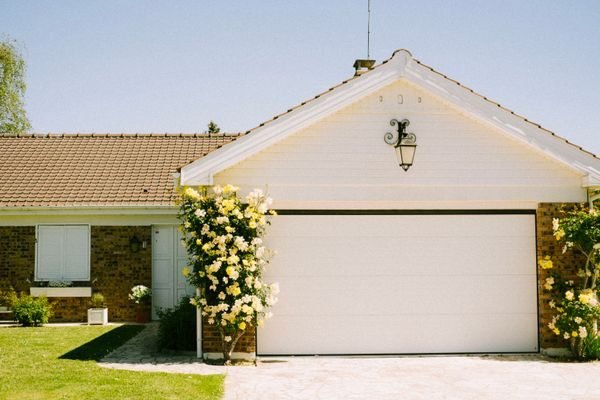
Many Coppell neighborhoods have homeowners associations, and garage doors — big, visible, and style-defining — are one of the most commonly regulated exterior features. Before you replace, repaint, or restyle your door, here’s how to navigate the process smoothly.
Start with your CC&Rs
Your community’s Covenants, Conditions & Restrictions (CC&Rs), plus any architectural guidelines, are the governing documents. Look for sections covering exterior modifications, approved colors and materials, and architectural review procedures. If you don’t have a copy, your HOA management company or board can provide one — get it before you sign a contract, not after.
Common categories of restriction
While every HOA differs, garage door rules typically address:
- Colors: many HOAs maintain an approved palette; bold or non-matching colors often require special approval.
- Styles: some communities specify acceptable panel designs (e.g., traditional raised-panel vs. modern flush) to keep a consistent streetscape.
- Materials: guidelines may favor certain materials or prohibit others for durability and appearance reasons.
- Windows and hardware: decorative elements are sometimes regulated as part of the overall design standards.
- Condition: most HOAs require doors to be maintained — peeling paint, dents, and visible damage can draw violation notices.
The approval process
Most HOAs require an architectural modification request before exterior changes. Typically you’ll submit the proposed door style, color, and material — often with a product brochure or photo — and the architectural committee reviews it against the guidelines. Approval timelines vary from days to weeks, so factor this into your project schedule. Starting work without approval is the single most common mistake, and it can mean redoing the work at your expense.
Tips for a smooth approval
- Choose options close to your current door’s style and color — like-for-like replacements are approved fastest.
- Submit manufacturer brochures or spec sheets showing the exact product.
- If you want something distinctive, check whether similar doors already exist in the neighborhood — precedent helps.
- Keep written approval on file until the project is complete and inspected.
Renters and sellers, take note
If you’re selling, a non-compliant door can complicate closing — buyers’ title and HOA document reviews sometimes flag unapproved modifications. If you’re a landlord, remember that HOA compliance is the owner’s responsibility even when tenants occupy the home.
Working with your installer on compliance
A good installer is an ally in the HOA process. Ask for manufacturer brochures, color samples, and specification sheets showing the exact product — architectural committees respond far better to concrete documentation than verbal descriptions. Some installers have worked in your neighborhood before and know the committee’s preferences; that local knowledge can steer you toward options that get approved quickly. Get the final product selection in writing before submitting your application so nothing changes mid-review.
If your request is denied
Denials usually come with a reason — read it carefully rather than reacting. Often a small adjustment (a different shade, dropping decorative windows, matching a neighbor’s approved style) turns a no into a yes. Most HOAs have an appeal or variance process; use it respectfully and in writing. What you shouldn’t do is proceed anyway: fines, forced removal, and strained neighbor relations cost far more than a revised application.
Keep a paper trail
Save every document: your original CC&Rs, the modification application, product brochures you submitted, the written approval, and the final invoice showing what was installed. If a future board questions the door — boards change, memories fade — your file settles it in minutes. Sellers should hand this file to buyers; it’s a small courtesy that prevents big closing-day headaches.
Replacing your door in an HOA community? Call Coppell Garage Door Experts at (945) 404-0050 — we provide detailed product specs for your architectural review application.
Garage Door Services at a Glance
| Service | Typical range* |
|---|---|
| Spring replacement | $180 – $350 |
| Opener repair | $150 – $300 |
| Cable replacement | $150 – $250 |
| Roller replacement | $150 – $300 |
| Maintenance tune-up | $99 – $179 |
*Typical Coppell-area ranges.